

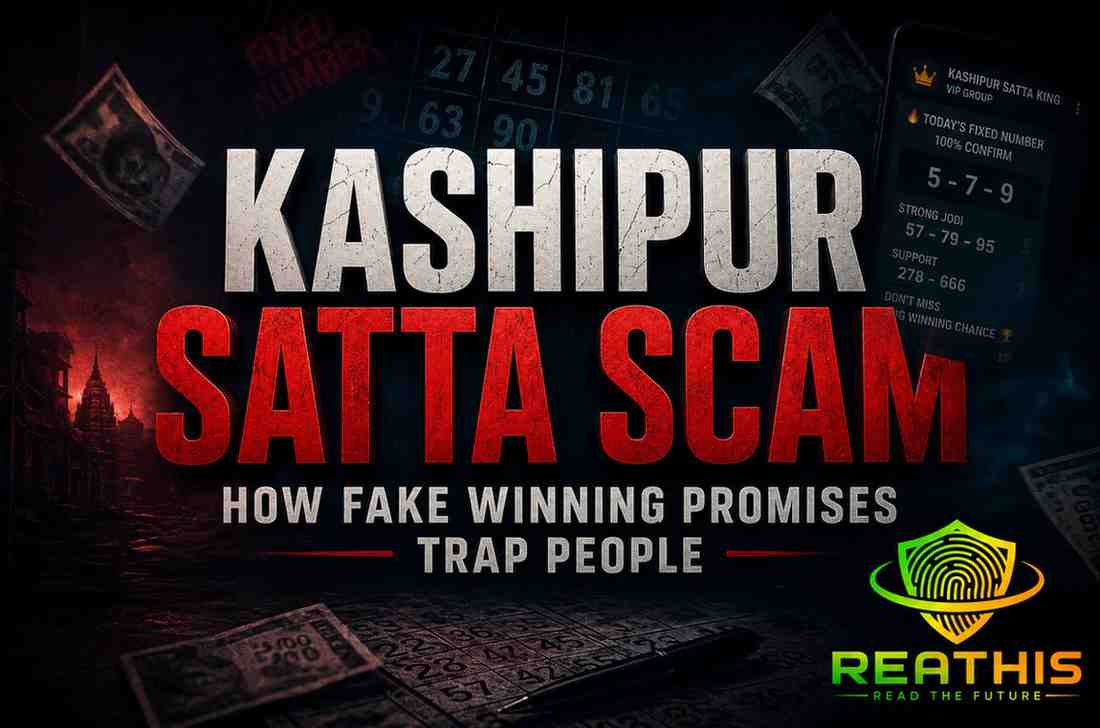
Why Kashipur Satta Continues Growing Online
The growth of Kashipur Satta is closely connected to how modern internet platforms distribute information. Years ago, gambling networks relied heavily on local contacts and physical interactions. Today, a smartphone can provide access to hundreds of prediction groups, gambling channels, and result websites within minutes.
This accessibility has changed the way people encounter gambling opportunities. Instead of actively seeking them out, many users discover them through forwarded messages, social media recommendations, YouTube videos, or Telegram channels shared by friends. The barrier to entry is almost nonexistent.
For many people facing financial pressure, these communities can appear surprisingly convincing. Daily predictions, success stories, screenshots, and confident administrators create the impression that winning is far more common than it actually is. The reality, however, is often very different.
Common Manipulation Tactics Used by Gambling Groups
| Tactic | How It Influences Users |
|---|---|
| Fake Winning Screenshots | Creates the illusion of constant success |
| Fixed Number Claims | Encourages false confidence |
| VIP Memberships | Generates subscription revenue from users |
| Recovery Messages | Pushes people to continue betting after losses |
| Selective Success Stories | Hides failures while promoting wins |
| Telegram Communities | Builds emotional attachment and engagement |
These tactics work because they focus on emotions rather than evidence. Most users never see complete records of losses. Instead, they see carefully selected examples designed to make success appear far more common than it really is.
How the Gambling Trap Usually Begins
One of the biggest misconceptions about gambling addiction is the belief that people become trapped because they are reckless. In reality, many users begin cautiously.
Someone joins a Telegram group out of curiosity. A friend shares a winning screenshot. A YouTube video claims to have identified a profitable pattern. Eventually, a person places a very small bet simply to test whether the system works.
Sometimes that first bet wins.
The amount may be insignificant, but psychologically the impact can be enormous. A small win creates belief. Suddenly the system feels real. The person begins wondering whether consistent profits might actually be possible.
That emotional shift often becomes the beginning of a much longer journey.
Why Most People Eventually Lose Money
Every gambling system depends on a simple reality: most participants lose more than they win over time.
If consistent profits were genuinely achievable, prediction groups would have little reason to sell subscriptions, recruit members, or constantly promote new channels. The business model survives because users continue participating even after experiencing repeated losses.
The cycle often follows a familiar pattern:
- Early win creates confidence.
- Losses begin appearing more frequently.
- User increases betting amounts.
- Recovery becomes the primary goal.
- Emotional decision-making replaces logical thinking.
At that stage, gambling stops being entertainment and starts becoming an emotional attempt to solve financial problems.
A Realistic Story: How Rohit Became Trapped
Rohit worked long hours in a small electronics shop while struggling to manage rising expenses. One evening, a colleague showed him screenshots from a Kashipur Satta prediction group where several users appeared to have doubled their money.
Initially, Rohit dismissed the idea. But later that night he joined the group out of curiosity.
The administrators seemed confident. Winning screenshots appeared constantly. Comments were filled with people celebrating successful predictions.
Rohit placed a small bet and won.
The amount itself was modest, but emotionally it felt significant. For the first time in months, financial worries seemed less overwhelming.
Over the following months, he joined additional groups, purchased premium memberships, and increased his betting amounts whenever losses occurred. Each setback was accompanied by promises that the next prediction would be more accurate.
By the time Rohit realized the pattern, much of his savings had disappeared. More importantly, his attention, energy, and emotional well-being had become tied to gambling outcomes.
Warning Signs of Gambling Dependency
Many people assume addiction appears suddenly. In reality, it usually develops gradually.
Common warning signs include:
- Checking results repeatedly throughout the day.
- Joining multiple prediction groups.
- Borrowing money to continue gambling.
- Hiding gambling activity from family members.
- Feeling anxious when unable to place bets.
- Believing recovery is always one prediction away.
- Losing sleep over gambling results.
- Becoming emotionally dependent on daily outcomes.
Recognizing these signs early can prevent far more serious financial and emotional consequences later.
Kashipur Satta vs Reality
| What Users Hope For | What Often Happens |
|---|---|
| Quick financial relief | Gradual financial losses |
| Reliable predictions | Unpredictable outcomes |
| Consistent profits | Occasional wins followed by losses |
| Easy money | Increased financial pressure |
| Recovery after losses | Deeper emotional involvement |
| Financial freedom | Dependency on future results |
Understanding this difference is important because gambling systems are often marketed around expectations rather than reality.
How to Protect Yourself From Kashipur Satta Scams
The most effective protection is understanding that easy-money systems frequently rely on emotional persuasion rather than genuine opportunity.
People should be extremely cautious when encountering:
- Fixed-number claims.
- Guaranteed-win promises.
- Paid prediction groups.
- Edited winning screenshots.
- Urgent recovery messages.
- Gambling influencers promoting unrealistic success.
Practical steps include avoiding prediction communities, blocking gambling-related channels, discussing concerns with trusted people, and seeking professional support if gambling behavior begins affecting finances or relationships.
The earlier someone steps away from these environments, the easier recovery becomes.
Conclusion
The most dangerous thing Kashipur Satta sells is not only money. It sells emotional hope. The belief that one prediction, one recovery attempt, or one final chance might eventually solve everything.
That emotional illusion keeps many people trapped much longer than logic ever would. Most online gambling systems survive because users continue chasing emotional recovery after financial loss, and the internet made that cycle even more dangerous by surrounding vulnerable people with fake screenshots, manipulated success stories, and endless promises designed to keep hope alive.
The smartest decision is not learning how to gamble better. It is understanding why walking away early is often the safest and strongest choice a person can make.
Recommended Reads :
- OneUp Networks vs Verito: Which Cloud Hosting Provider Is Better for CPA Firms in 2026?
- Rightworks Alternatives in 2026: 7 Cloud Hosting Providers CPA Firms Should Consider
- Best Cloud Hosting Providers for CPA Firms in 2026: Rightworks vs Ace Cloud Hosting vs Summit Hosting vs Verito vs Apps4Rent vs Sagenext vs OneUp Networks
- StreamEast: The Rise and Shutdown of an Illegal Sports Streaming Empire
- Kashipur Satta Scam: The Truth Behind Fake Winning Promises and Gambling Traps
Disclaimer: This article is provided for educational and awareness purposes only. We do not promote, support, encourage, or operate any form of gambling, betting, or satta activity. Gambling can result in financial loss, addiction, emotional stress, and other serious consequences. Readers are advised to comply with local laws and avoid participating in gambling-related activities.






Leave a Reply