

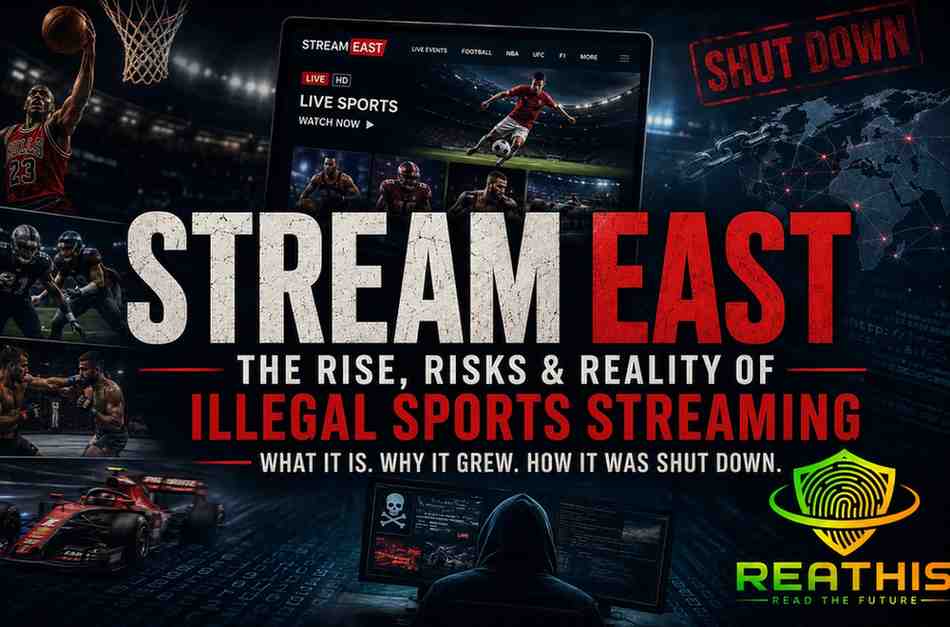
Most people discovered StreamEast for one simple reason: sports became expensive, fragmented, and increasingly difficult to watch legally from a single platform. Fans who once needed only cable television suddenly found themselves paying for multiple subscriptions just to follow football leagues, UFC events, NBA games, Formula 1 races, and international tournaments.
That frustration helped platforms like StreamEast grow rapidly across the internet. What started as another unofficial sports-streaming website eventually became one of the world’s largest illegal sports streaming networks, attracting massive global traffic through free access to premium live events. According to investigations cited by The Athletic and multiple media reports, the platform reportedly generated over 1.6 billion visits through a network of more than 80 domains before authorities shut major operations down in 2025.
But the story of StreamEast is bigger than sports piracy alone. Its rise exposed larger problems involving online streaming culture, cybersecurity risks, subscription fatigue, illegal digital economies, and the growing tension between expensive entertainment ecosystems and internet accessibility.
By 2025, StreamEast had become one of the most recognized names in sports piracy. Millions of fans searched for StreamEast links every month to watch NFL, NBA, UFC, Formula 1, and Champions League events without paying for official subscriptions. Its popularity turned the platform into a global phenomenon, but that same popularity eventually attracted the attention of broadcasters, anti-piracy groups, and international law enforcement agencies.
What Was StreamEast and Why Was It So Popular?
StreamEast was an unauthorized sports streaming platform that provided free access to live sporting events without requiring users to pay for official subscriptions. Over time, it became one of the most recognized names in online sports piracy, attracting millions of visitors looking to watch premium events such as NFL games, NBA matchups, UFC fights, Formula 1 races, Champions League fixtures, boxing events, and other major competitions.
Unlike legal streaming services, StreamEast offered a simple experience. Users could visit the website, select a sporting event, and begin watching almost immediately. There were no expensive monthly packages, long registration processes, or regional broadcasting restrictions that often prevented fans from accessing certain events legally.
Its popularity grew rapidly during a period when sports broadcasting became increasingly fragmented. Fans who once relied on a single cable subscription suddenly needed multiple streaming services to follow different leagues and tournaments. Football might be available on one platform, Formula 1 on another, and UFC events somewhere else entirely. For many viewers, keeping up with their favorite sports became both expensive and complicated.
Several factors contributed to StreamEast’s rapid growth:
- Free access to premium sports broadcasts
- Coverage of multiple leagues and tournaments in one place
- No subscription fees or contracts
- Easy-to-use interface
- Fast stream availability before major events
- Accessibility across desktop and mobile devices
This combination of convenience and cost savings helped StreamEast attract a massive audience. According to reports from media investigations, the platform eventually generated billions of visits through a network of domains operating across different regions.
However, the same features that made StreamEast popular also made it controversial. Because the platform distributed copyrighted sports broadcasts without official licensing agreements, broadcasters, sports leagues, and anti-piracy organizations viewed it as a major threat to the sports media industry.
The rise of StreamEast ultimately became a symbol of a larger problem facing modern sports entertainment: fans wanted affordable and convenient access to games, while broadcasters increasingly divided content across multiple paid platforms. StreamEast stepped into that gap and for a time became one of the internet’s most popular unofficial solutions.
| StreamEast Overview | Details |
|---|
| Platform Type | Unauthorized Sports Streaming Website |
| Known For | Free Live Sports Streams |
| Popular Sports | NFL, NBA, UFC, MLB, Formula 1, Soccer |
| Revenue Model | Advertising and Traffic Monetization |
| Status | Major Operations Shut Down in 2025 |
| Legal Status | Unauthorized Distribution of Copyrighted Content |
Why Was StreamEast Illegal?
StreamEast operated by distributing copyrighted sports broadcasts without authorization from rights holders or broadcasters. In many countries, that violates copyright and intellectual property laws because streaming rights are purchased through expensive licensing agreements.
Major leagues and broadcasters spend billions securing exclusive distribution rights for:
- Premier League
- NFL
- NBA
- Formula 1
- Champions League
- UFC and combat sports
Unauthorized streaming platforms bypass those agreements while still attracting massive audiences.
According to multiple reports, anti-piracy organizations and international investigators considered StreamEast part of a large-scale digital piracy network. Authorities claimed the platform operated through dozens of domains designed to avoid enforcement actions and maintain accessibility even after takedowns.
The 2025 StreamEast Shutdown
In 2025, major anti-piracy organizations and Egyptian authorities reportedly shut down key StreamEast operations after a year-long investigation. Reports stated that the platform operated across more than 80 domains while generating enormous global traffic.
Investigators allegedly uncovered:
- shell companies
- advertising revenue laundering
- cryptocurrency transactions
- large-scale piracy infrastructure
Several reports mentioned arrests near Cairo and the seizure of electronic devices, cash, credit cards, and operational systems linked to the network.
Following the shutdown, many StreamEast domains reportedly redirected users toward legal sports-streaming awareness pages created by anti-piracy organizations.
Timeline of StreamEast’s Rise and Fall
The growth and eventual shutdown of StreamEast did not happen overnight. The platform expanded over several years before becoming the target of major anti-piracy investigations.
| Period | Major Development |
|---|---|
| Early Growth | StreamEast begins attracting sports fans looking for free access to live events. |
| Expansion Phase | The platform expands through multiple domains and mirror websites. |
| Peak Popularity | Millions of users visit StreamEast to watch NFL, NBA, UFC, Formula 1, and football matches. |
| Investigation Stage | Broadcasters and anti-piracy organizations increase monitoring of the network. |
| 2025 Crackdown | Authorities reportedly target major StreamEast operations during a large anti-piracy enforcement action. |
| Post-Shutdown | Many domains are seized, redirected, or replaced by unofficial mirror sites. |
This timeline demonstrates how a relatively simple sports-streaming website evolved into one of the internet’s most recognizable piracy networks before facing significant legal and enforcement pressure.
Where and When Was StreamEast Shut Down?
According to reports published in 2025 by The Athletic, AP News, and multiple anti-piracy investigations, major StreamEast operations were reportedly shut down during an international enforcement action connected to authorities in Egypt. Investigators claimed the platform operated through more than 80 domains while generating massive global traffic through illegal sports streaming.
Reports stated that Egyptian authorities allegedly uncovered a large piracy infrastructure involving advertising revenue, cryptocurrency transactions, shell companies, and streaming operations connected to copyrighted sports broadcasts. Several reports also mentioned arrests, seized electronic devices, and financial investigations tied to the network.
The crackdown became one of the largest anti-sports-piracy operations in recent years and highlighted how seriously governments and broadcasters now treat illegal streaming ecosystems.
Why Illegal Sports Streaming Sites Are Risky
The risks surrounding websites like StreamEast extend beyond legality. Cybersecurity researchers and online safety organizations repeatedly warn that piracy platforms often expose users to serious digital threats.
Many unofficial streaming websites rely heavily on:
- aggressive pop-up advertising
- fake redirects
- phishing links
- malware distribution
- browser hijacking
- scam downloads
Some cybersecurity reports suggested piracy users face significantly higher malware and fraud risks compared to mainstream streaming platforms.
Common risks users face on piracy sites:
| Risk | Explanation |
|---|---|
| Malware infections | Hidden scripts or fake downloads |
| Phishing attacks | Fake login or payment pages |
| Privacy tracking | User behavior monitoring |
| Browser hijacking | Forced redirects and unsafe ads |
| Fake mirror sites | Clone domains impersonating originals |
Because piracy platforms frequently change domains to avoid detection, users often encounter copycat websites pretending to be trusted streaming sources. Reports specifically warned that fake StreamEast mirrors increased confusion and security risks after enforcement actions began.
Why Sites Like StreamEast Keep Returning
One reason piracy remains difficult to eliminate is the internet’s ability to rapidly reproduce mirror domains and replacement platforms. Even after major shutdowns, copycat sites often appear within days or weeks.
This happens because:
- domains are inexpensive
- anonymous hosting exists
- global enforcement is difficult
- traffic demand remains high
Online communities discussing piracy frequently noted how quickly mirror sites resurfaced after shutdown announcements. Reddit discussions following the 2025 takedown showed users immediately searching for replacements and alternative streaming sources.
This reflects a broader reality about internet piracy:
shutting down platforms rarely removes the demand driving them.
The Bigger Problem Behind Sports Piracy
The rise of StreamEast also exposed deeper frustrations inside modern sports broadcasting systems.
Many viewers believe sports streaming became:
- too expensive
- overly fragmented
- difficult to access legally
- dependent on multiple subscriptions
As streaming companies compete for exclusive rights, fans increasingly face situations where watching an entire sports season legally may require several paid services simultaneously.
This environment helped piracy platforms gain popularity despite legal and cybersecurity risks. Reports repeatedly connected sports piracy growth to “subscription fatigue” and rising entertainment costs across streaming ecosystems.
Why Cybersecurity Experts Warn Against Piracy Platforms
Cybersecurity concerns around illegal streaming platforms have become increasingly serious in recent years. Researchers warn that piracy websites often function as advertising ecosystems where malicious actors distribute malware, spyware, phishing campaigns, and financial scams.
Some studies linked piracy traffic directly with:
- ransomware exposure
- credential theft
- malicious browser scripts
- identity theft risks
Experts warn that what appears to be “free sports streaming” may actually expose users to much larger digital security threats over time.
This is especially dangerous because many users access these sites through:
- unsecured devices
- personal laptops
- smartphones
- shared home networks
The convenience of free access often hides the long-term security risks operating behind the scenes.
What StreamEast Revealed About Internet Culture
The story of StreamEast reflects more than online piracy alone. It highlights how internet culture increasingly prioritizes convenience, accessibility, and instant availability even when legal systems struggle to adapt.
The platform grew because millions of users wanted:
- easier access
- lower costs
- centralized viewing
- fewer subscription barriers
At the same time, rights holders and broadcasters intensified enforcement because piracy threatens licensing revenue and sports broadcasting investments. This tension between accessibility and enforcement will likely continue shaping digital entertainment ecosystems for years.
Key Lessons From the StreamEast Story
- Free streaming is rarely truly free.
- Piracy websites often carry cybersecurity risks.
- Sports fans increasingly face subscription fatigue.
- Illegal streaming networks can disappear overnight.
- Fake mirror sites often emerge after shutdowns.
- Users should prioritize legal and secure viewing options.
Frequently Asked Questions
No. StreamEast reportedly streamed copyrighted sports broadcasts without official licensing agreements, which made it an unauthorized platform in many jurisdictions.
Reports indicate that anti-piracy organizations and law-enforcement authorities targeted the network as part of a large investigation into illegal sports streaming operations.
Many original domains were reportedly seized or redirected following enforcement actions. Users should be cautious of mirror or clone websites claiming to be the original platform.
Not necessarily. Cybersecurity experts frequently warn that mirror sites may contain malicious advertisements, phishing attempts, or malware.
Conclusion
The story of StreamEast is about far more than a single website being shut down. It reflects a growing conflict between what modern sports fans want and what the current streaming industry often provides.
Millions of viewers turned to StreamEast not necessarily because they wanted to break copyright rules, but because legal sports viewing had become increasingly fragmented, expensive, and difficult to manage. Following multiple leagues often required several subscriptions, regional packages, and exclusive streaming services, creating frustration for fans who simply wanted an easier way to watch the sports they loved.
StreamEast stepped into that gap and quickly became one of the internet’s most recognized sports-streaming platforms. Its rapid growth demonstrated the enormous demand for convenient and affordable access to live sporting events. However, its success was built on unauthorized distribution of copyrighted content, placing it directly in the path of broadcasters, rights holders, and anti-piracy organizations determined to protect their investments.
The 2025 crackdown marked a major moment in the fight against digital sports piracy, but it did not eliminate the underlying problem. As long as sports content remains spread across multiple services and subscription costs continue rising, many users will continue searching for alternative ways to access live events online.
At the same time, the risks associated with piracy platforms remain significant. From malware and phishing scams to fake mirror websites and privacy concerns, illegal streaming often exposes users to dangers that extend far beyond copyright issues.
Ultimately, StreamEast serves as a case study in how internet culture, consumer behavior, digital piracy, cybersecurity, and streaming economics intersect in today’s online world. Its rise revealed what millions of viewers wanted. Its shutdown demonstrated how aggressively authorities now respond to large-scale piracy operations. And its legacy continues to fuel an ongoing debate about accessibility, affordability, and the future of sports broadcasting in the digital age.
Recommended Reads :
- OneUp Networks vs Verito: Which Cloud Hosting Provider Is Better for CPA Firms in 2026?
- Rightworks Alternatives in 2026: 7 Cloud Hosting Providers CPA Firms Should Consider
- Best Cloud Hosting Providers for CPA Firms in 2026: Rightworks vs Ace Cloud Hosting vs Summit Hosting vs Verito vs Apps4Rent vs Sagenext vs OneUp Networks
- StreamEast: The Rise and Shutdown of an Illegal Sports Streaming Empire
- Kashipur Satta Scam: The Truth Behind Fake Winning Promises and Gambling Traps
Disclaimer
This article is created for informational and educational purposes only. We do not promote, encourage, distribute, or provide access to illegal streaming platforms, piracy websites, or unauthorized copyrighted content. Readers are advised to use licensed and legal streaming services while following local laws and cybersecurity best practices.







Leave a Reply